This is the industry of the 21st century. Real doors This type of technology opens real, not theoretical, doors: • Integration of advanced recycling into industrial and climate policies, especially in strategic sectors such as batteries, electronics, and renewables. • Creation of local hubs for critical material recovery, reducing external dependencies. • Design of electronic products with disassembly and recovery in mind, a key lever for eco-design. • Cultural shift: understanding that electronic waste is not trash, but urban resource reserves. Electronic waste has been growing silently for years: forgotten mobile phones in drawers, obsolete laptops, motherboards with no clear destination. They constitute a constant flow of valuable materials that, in most cases, ends up being burned, exported, or directly buried.
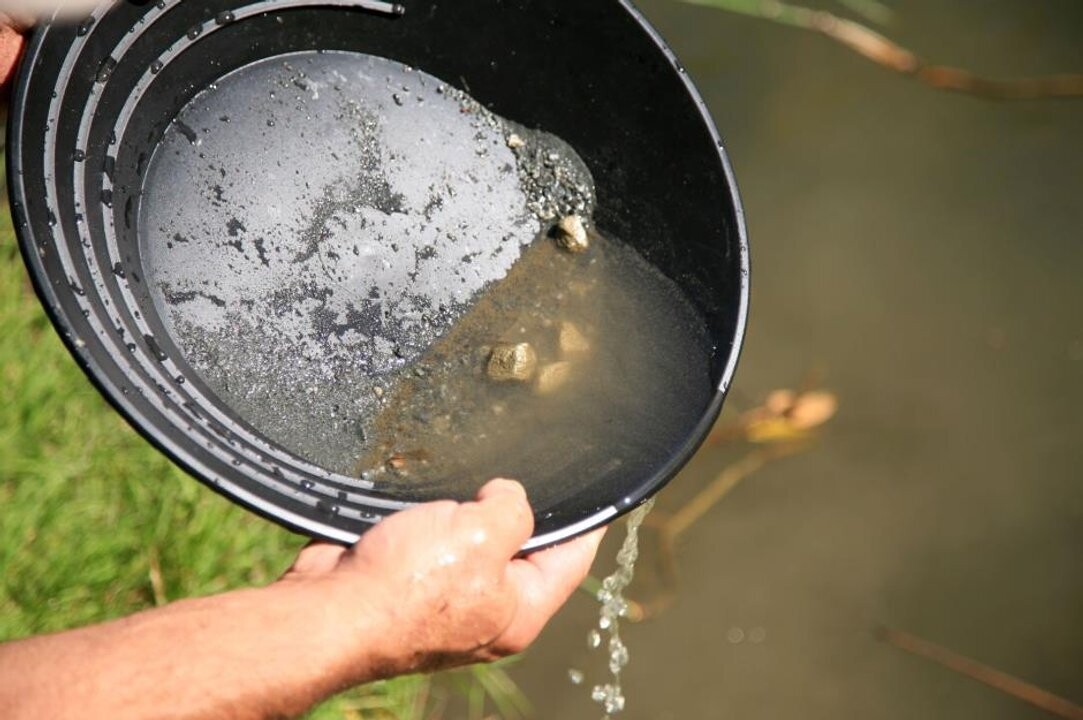
Buenos Aires, January 13, 2026 (NA) – The gold fever of the 19th century has long since ended, but that doesn't mean the places to find it have disappeared: whether with a shovel, a pan, a metal detector, and now, recovered from electronic waste through a chemical substance. Recreational gold mining has existed for over two centuries: the largest gold nugget ever found was discovered by an amateur, revealed the Noticias Argentinas agency. In the 21st century, over 50 million tons of electronic waste generated globally each year have been transformed into pure gold through chemical technology that avoids smelting and reduces environmental impact. And the volume could reach 74 million tons by 2030, although less than 20% is properly recycled, which means metals valued at tens of billions of euros are lost every year. In this context, a British institution, known for centuries for minting coins, is now betting on recovering precious metals from electronic waste, integrating industrial sustainability, chemical innovation, and the circular economy into a single process. The agreement with the Canadian startup Excir introduces an unprecedented technology into the UK based on high-precision selective chemistry. Faced with traditional methods—smelting at extreme temperatures, high energy consumption, associated emissions—this process acts at room temperature: it separates precious metals directly from circuit boards. The result has been conclusive: over 99% of gold is recovered with a purity of 999.9 in a matter of seconds. In addition to gold, the system can extract silver, palladium, and copper, all essential for electronics, electric mobility, and renewable energies. South Wales The processing is carried out at The Royal Mint's facilities in South Wales, which avoids sending electronic waste to third countries, where environmental and labor controls are often more lax. Recovering metals within the country itself reduces dependence on primary mining, which is often linked to social conflicts, environmental degradation, and high emissions. For The Royal Mint, this move is not a break with its past, but a logical continuation. After over 1,100 years of working with metals, the institution is transferring that knowledge to a new context: resource management on a finite planet. The initiative also has a social dimension. Scaling this technology implies new technical skills, qualified employment, and a value chain aligned with the principles of the circular economy. It's not just recycling.