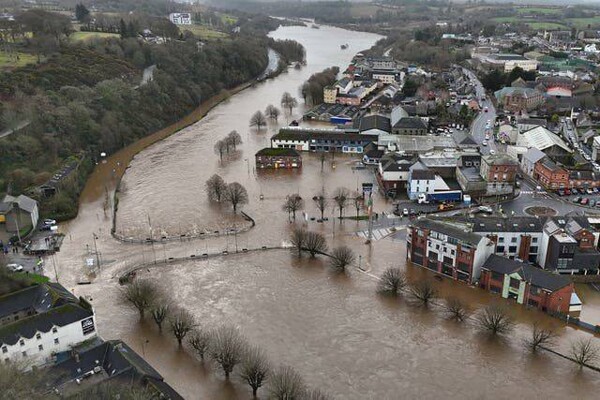
The United Kingdom faces an increasing threat of wildfires and floods due to climate change. The Climate Committee has stated that climate change has increased the likelihood of wildfires in the UK by at least six times. Modern technology is improving wildfire detection times in the UK. Ground-based sensors and satellite imagery can detect smoke and heat before fires become uncontrollable. Community air quality networks can capture spikes in pollution from burning vegetation. AI-based hotspot models help some agencies predict at-risk areas based on weather and fuel conditions. Figures show that wildfires have destroyed more land, including scrubland, forests, and fields, in the UK this year than ever before since records began, putting immense pressure on the country's fire services. The Global Wildfire Information System estimates that wildfires destroyed 47,026 hectares in the UK by November 2025, the largest area in any year since monitoring began in 2012, and more than double the area destroyed by the record-breaking summer fires of 2022. The UK Fire Brigades Union, with the support of climate groups and other organizations, has sent a letter to the government calling for long-term investment in the fire service to help it cope with the growing threats of wildfires and floods as the climate crisis worsens. The letter says: «There is compelling evidence that the UK is dangerously unprepared to face the growing threats of wildfires, floods, and the wider impacts of the climate crisis. For this reason, we are writing to you as organizations working in public safety, climate action, and economic and social justice, before the budget is set, to ask you to make significant, long-term investments in the UK fire and rescue service». In August last year, firefighters from across the UK were called to tackle «record-breaking» wildfires in the Holt Heath area of Dorset, as local resources were «shockingly limited». In the following September, farmers, gamekeepers, and landowners joined fire crews in North Yorkshire in an attempt to tackle a huge fire that had been raging for weeks in the Langdale Moors. The letter states that the fire and rescue service is not well-equipped to handle incidents like this, having lost around 12,000 firefighters since 2010, one in five of all posts. It adds that central government funding has been cut by 30% in cash terms alone, and many services have faced equipment shortages and insufficient staff in control rooms. According to the letter, the lack of investment affects the response to climate-related incidents. It noted that in August of this year, the fire and rescue service was deployed 17 times from distant areas, such as Greater Manchester, to respond to a wildfire at Holt Heath, and many of the firefighters who responded lacked specialized personal protective equipment for fires, putting them at increased risk of heatstroke, exhaustion, and burns. Fire services are also on the front line of dealing with the increasing flood risks across the UK. Last month, The Guardian revealed that millions of homes in England, Scotland, and Wales will face devastating floods in the coming years, and some towns may have to be abandoned as climate change makes working in many areas extremely difficult. Sam Harding, a firefighter in the Monmouth area who rescued people when Storm Claudia hit the region earlier this month, said the fire service is struggling to cope with this new reality. He added: «The floods were the worst we've seen in years, and they took all our rescue resources. If there had been another flood incident elsewhere in South Wales, I don't know how we would have been able to respond». Harding pointed out that government funding cuts mean there is no flexibility to deal with multiple dangerous incidents like floods, saying: «Unfortunately, we are seeing more of them». The letter from the UK Fire Brigades Union, signed by organizations like Greenpeace, Tax Justice UK, Friends of the Earth, and others, calls on the Treasury to increase government funding to ensure enough firefighters, emergency fire staff, and specialized resources are available to tackle the risks of wildfires and floods. The letter says: «We urge you to take decisive action to provide the investment, strategy, and leadership that firefighters and the communities they protect need urgently to face the reality of climate change». A spokesperson for the Department for Levelling Up, Housing and Communities said: «We are aware of the risks that wildfires and floods pose to communities, which is why we are taking decisive action to ensure fire and rescue services and national bodies are able to manage and respond to emergencies». This includes funding a national wildfire resilience advisor to support a more coordinated response to wildfires, alongside ensuring the necessary resources are available for emergency services to keep the public safe. Early in 2025, several heatwaves hit the UK, with temperatures exceeding 33°C on some days. Last spring was the driest in over 50 years, leaving vegetation dry and highly flammable. Weather experts identified heat domes caused by persistent high-pressure systems, which have tripled since the 1950s. Climate scientists linked these events to changes in the jet stream, which have been intensified by rising greenhouse gas levels. Land management practices are also important in reducing fire risks.