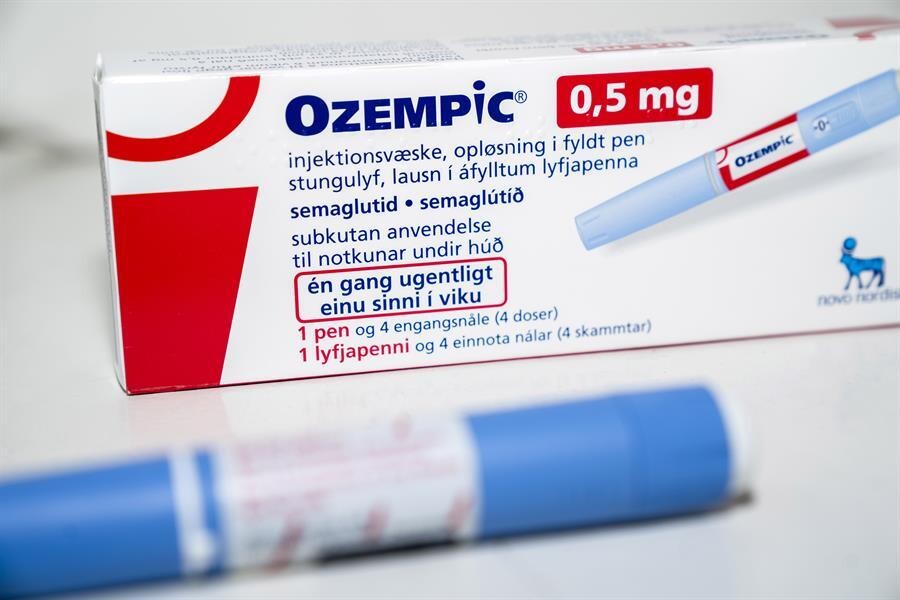
Losing weight can help avoid these risks, but sometimes trying to achieve it through diet and exercise is difficult, and new-generation drugs have proven to be highly effective. These medications help control blood sugar and reduce appetite, and, as clinical trials have shown, they lead to weight loss of between 15 and 20 %. A year after stopping weight-loss medications like Ozempic or Wegovy, people regain -on average- 60 % of the lost weight, although after that, the 'yo-yo' effect stabilizes, and patients maintain a 25 % reduction in the weight they lost during treatment. This is what a study from the University of Cambridge (United Kingdom) warns, the results of which were published this Thursday in the journal EClinicalMedicine. Millions of people worldwide have obesity, which increases the risk of suffering type 2 diabetes, cardiovascular diseases, and cancer. 'When people stop taking them, they are essentially taking their foot off the brake, which can lead to a rapid weight regain,' explains Brajan Budini, from Trinity College at the University of Cambridge, and co-author of the study. The authors believe there are several reasons why people do not return to their original weight even a year after stopping treatment. One is that by reducing appetite, these drugs can help people develop healthier eating habits, with smaller portions or more nutritionally balanced meals, and these habits can persist even after stopping the treatment. Another explanation is that the drugs could have long-term effects on the body, altering hormone levels and 'resetting' the brain's appetite control mechanisms. 'When stopping weight-loss medications, doctors and patients must be aware of the possibility of weight regain and consider ways to mitigate this risk. It is important that people receive advice on how to improve their diet and exercise, rather than relying solely on the drugs, as this can help them maintain good habits when they stop taking them,' says co-author Steven Luo, also from Trinity College. However, for the authors, the most concerning aspect is the long-term consequences of weight-loss drugs on body composition because, although studies indicate that between 40 and 60 % of the weight lost during treatment is muscle, it is unclear if when they regain that weight, they gain mostly fat. 'If the regained weight is disproportionately fat, individuals could end up worse than before in their fat-to-lean mass ratio,' warns Budini. The authors stress that these drugs should not be the only tool, but it is vital that patients receive additional support—in diet and exercise—that helps them solidify habits that will persist after the medication. 'Medications like Ozempic and Wegovy act as a 'brake' on our appetite, but when you stop them, hunger returns and causes an accelerated weight regain in the first months.'