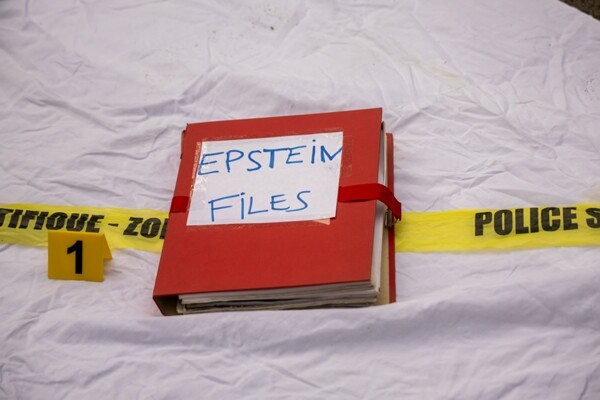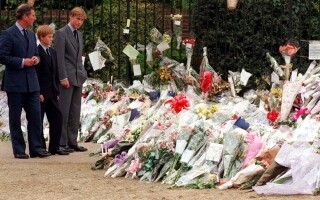
This situation is unprecedented, and commentators have compared it to the arrest and execution of King Charles I during the English Civil War to find a similar event. The arrest of Prince Andrew on suspicion of abusing his position is the biggest crisis for the monarchy since King Edward VIII's abdication in 1936 to marry the American divorcée Wallis Simpson. This scandal weakened public support for the monarchy, which did not fully recover for 15 years. On the contrary, the drama surrounding the Windsors continues, with no end in sight. The current crisis arose after revelations of a relationship between Prince Andrew and Jeffrey Epstein, after the U.S. Department of Justice released millions of documents related to the Epstein investigation. Police had previously cited reports that Andrew passed commercial information to Epstein in 2010, when he was serving as the UK's Special Representative for International Trade. The last time the royal family had to deal with such difficult questions was after the death of Princess Diana, Charles's former wife. Police are searching two royal properties, and commentators are discussing the details of a sex scandal that has reached the gates of Buckingham Palace. But how did the royal family spend last Thursday? The King sat in the front row for the first day of London Fashion Week, Queen Camilla attended a concert, and Princess Anne visited a prison. The decision to continue performing royal duties as normal is more than just an example of British stoicism in the monarchy's biggest crisis in almost a century. It is the first chapter in the 'Windsor Castle' battle for survival, where the arrest of Prince Andrew threatens to undermine public support for the monarchy. After pledging to support police investigations into his brother's friendship with convicted sex offender Jeffrey Epstein, the King confirmed his intentions. In a statement, the King said, 'My family and I will continue to carry out our duties and serve you all.' This is the biggest crisis the monarchy has faced since the abdication in 1936. Charles's own statement shows the magnitude of the problem caused by the arrest of his 66-year-old brother, who is now known as Prince Andrew, Duke of York. He was held for 11 hours before being released on bail, meaning no charges have been brought against him, nor has he been acquitted. Some even called on Charles to step aside as heir to the throne in favor of his son, William. At that time, Queen Elizabeth and Charles were criticized for their failure to cope with the overwhelming grief that swept the nation as tens of thousands of people flocked to Kensington Gardens to lay flowers outside the late princess's home. The turning point came only after King George VI, Edward's successor, refused to flee Britain during World War II, expressing his solidarity with the country, which was being hit by Nazi bombs. Even before taking the throne, Queen Elizabeth II followed in her father's footsteps and publicly vowed to dedicate her life to serving Britain. The solution to this crisis was very simple: Edward stepped aside, and his older brother took his place. British monarch Charles III was arrested.