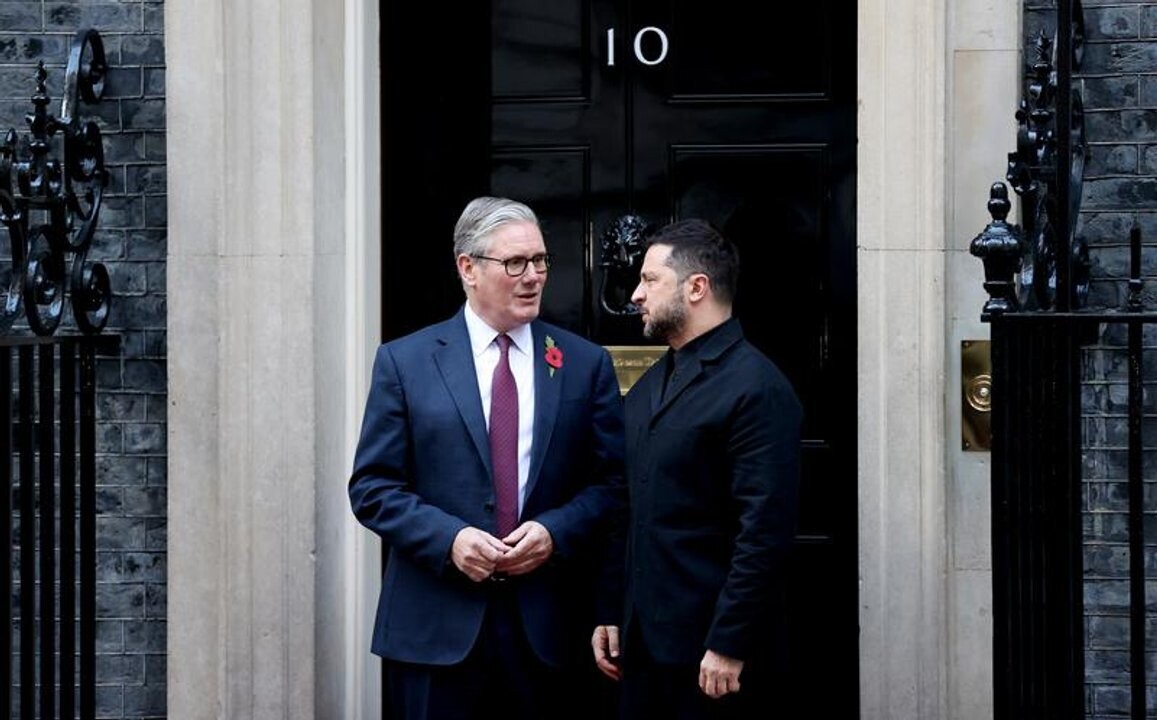
The United Kingdom is considering the release of 8 billion pounds (approximately 11 billion dollars) from frozen Russian assets to be provided as direct financial aid to Ukraine. This initiative is part of a multilateral effort coordinated by London with Canada and European Union (EU) countries. The ambitious goal is to create a mechanism that could unlock up to 130 billion dollars for Ukraine, thereby covering a significant portion of its financial needs for defense or reconstruction over the next two years.
However, the plan has faced resistance from key partners. Their stance suggests that these funds should be reserved as leverage in future negotiations. The EU plan, proposed earlier this week by European Commission President Ursula von der Leyen, also faces legal risks. Belgium has already rejected the proposal, citing significant financial and legal risks associated with the confiscation or use of these funds. Furthermore, the United States has urged European nations not to support the allocation of a "reparation loan" to Ukraine using these Russian assets. U.S. officials argue that the frozen Russian assets "are necessary to ensure a peace agreement between Kyiv and Moscow and should not be used to continue the war".