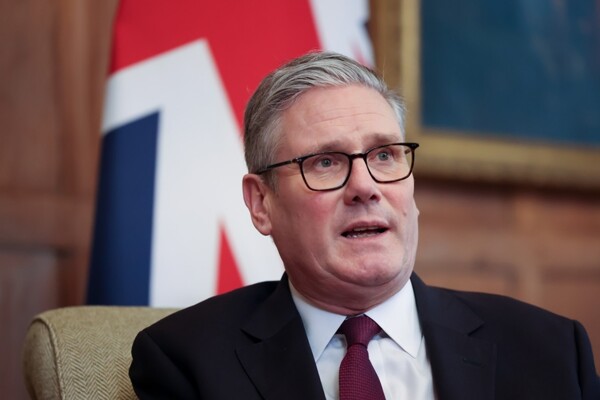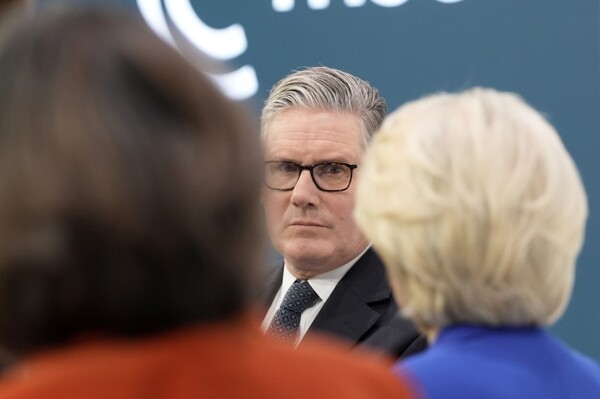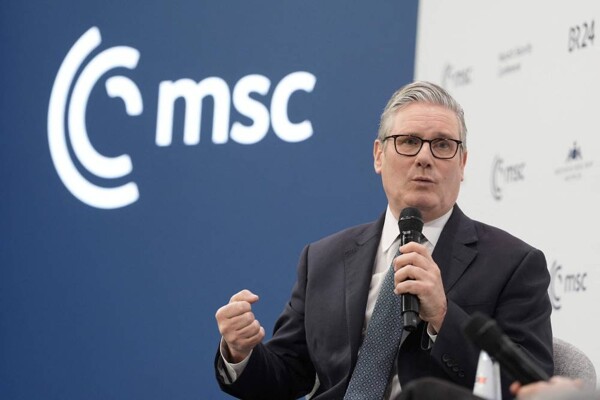
Political instability in the UK has become chronic, with the popularity of Prime Minister Keir Starmer, once a victor, waning and 10 Downing Street turning into a bunker. Suddenly, a scandal committed years ago becomes an existential challenge. The cabinet offers its support too late, and a coup attempt fails after a passionate speech to MPs in which the Labour leader promised change, but nothing happened. The prime minister's authority has been eroded, and the government continues to function with difficulty. The pressure on Starmer, the UK's fourth prime minister in four years, has been greater than on his Conservative predecessors. After his landslide victory in 2024, Starmer boasted he would rule for 10 years, but local elections in 12 weeks could dash his ambitions. This came after it emerged that his former ambassador to the US, Peter Mandelson, was appointed despite Starmer's knowledge of his involvement in a scandal, shattering the PM's image as a competent and honest person. Subsequently, some of his aides resigned, and the Cabinet Office minister is about to leave. After the dramatic events in the UK last week, observers believe things can only get better, hoping the Labour party crisis is the turning point the country needs. Perhaps a bold reforming figure will emerge among Labour MPs to use the party's huge parliamentary majority to tackle the UK's problems. But, unfortunately, the most likely path is drift. The Labour party is busy preserving itself and is shocked by the speed at which voter sentiment has changed. With or without Starmer, Labour will lose ground, while the party leader continues to resist electorally. For the UK, things will get worse before they get better. The stagnation at Downing Street contrasts with the urgency of the national situation, and the problems afflicting most wealthy nations are plentiful in the UK. Growth isn't bad by European standards, but it is too meagre to provide voters with the living standards and public services they want. The cost of servicing UK debt this decade has reached a high not seen since the late 1980s. Rearmament, an ageing population, and an outdated welfare system are all factors straining public finances. Voters know this: the share of people who think the UK needs to cut spending is the highest since 1983. A mood of pessimism prevails, reminiscent of 1970s Britain. The aim of Starmer's landslide election win was to escape this trap, but he failed due to a lack of a plan or political capital to achieve much. The Labour campaign, focused on security, promised small concessions while ruling out major tax changes. Laws were passed to empower trade unions and renationalise the railways, but no preparatory work was done on reforming the civil service, regulated markets, or public services, including welfare. Many of Starmer's MPs came to Westminster expecting a flood of money, as ultimately happened under Labour in the 1990s. Instead of confronting them, the prime minister acquiesced. When they rebelled over cuts to welfare and pensions, he backed down. His excessive caution was described as a 'fragile vase' strategy, and his government project has turned out to be an empty vessel. Therefore, a change of course is unlikely now. In an era of 'fragmented' elections, when voter loyalties to old parties collapsed, governing on a low share of the vote has become a reality. A call for an election now would likely lead to hundreds of Labour MPs losing their seats. Panic and fear will probably continue, regardless of who is prime minister. Strong currents will pull the Labour party to the left. Starmer's boast that he 'changed' the party by getting rid of the hard left under Jeremy Corbyn hides the extent to which the party's centre of gravity has shifted since Tony Blair's era. The party's most popular leadership candidates—Andy Burnham, Ed Miliband, and Angela Rayner—are all more left-wing than the prime minister, as are the majority of MPs. Labour members will choose their next leader at a time when 89% of them believe taxes and spending should rise, a view shared by only one in five voters. If Labour wants to hold power and defeat the right-wing populist Reform party, it needs to win back voters who defected to the left-wing populist Green party. Harsh reality. Starmer has already declared that putting 'money in people's pockets', rather than economic growth, is his current priority. There may be greater doubt cast on big tech firms, such as software firm Planteer, which is the current target of sceptics. The government may become more pro-European, which is good, but only if it is accompanied by a harsh realism that leads to fruitful negotiations. The 'unity and inclusivity' slogan sounds good, but it leads to a lowest-common-denominator government where everyone has a veto. Reform of the welfare system will be off the table, as will any comprehensive reform of education or the civil service, which would anger the unions. Planning may revert to old ways, as Labour members love nature and hate property developers. Above all, chronic instability means ignoring public finances. Labour MPs typically say they did not go into politics to make cuts for their voters. A prime minister who stays in power by 'dishing out treats' is 'not running a government, he's running an ice-cream van', and bond investors may lose patience, observers say. Britain's best hope. A generation of reformers with a clear vision of the country's problems may emerge in the UK's Labour party in the coming years. In the meantime, voters will have to look for renewal elsewhere. The populist Reform party, top of the polls, is destabilising the political system but offers little beyond a mix of anti-immigrant rhetoric and vague promises to cut state spending that its voters do not understand. Perhaps the Conservative party, led by Kemi Badenoch, will provide the intellectual and economic renewal from the right. These ideas are already gaining traction, and Britons realise their country needs change. The financial markets may impose that change, and that is where the political opportunity lies.